Maximize Library Superpowers with Modern Concentrated Collections Areas
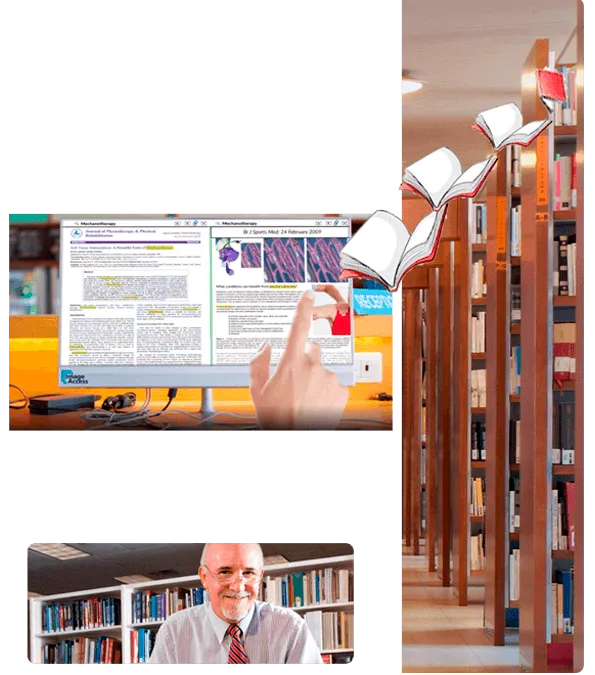
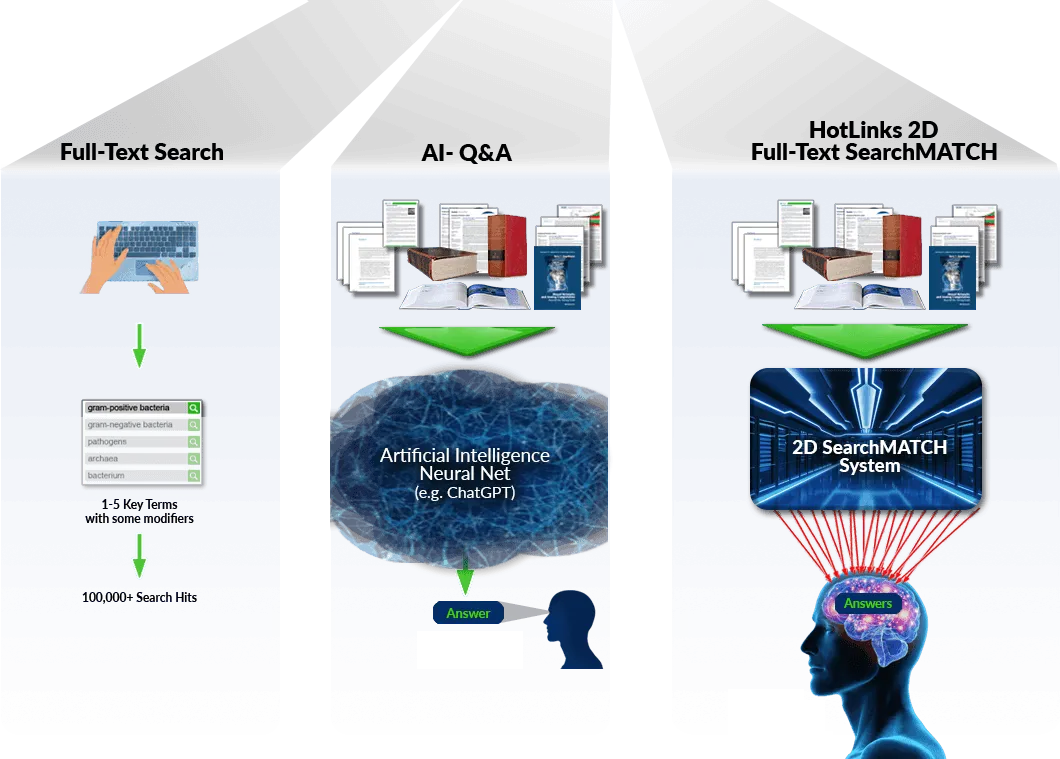
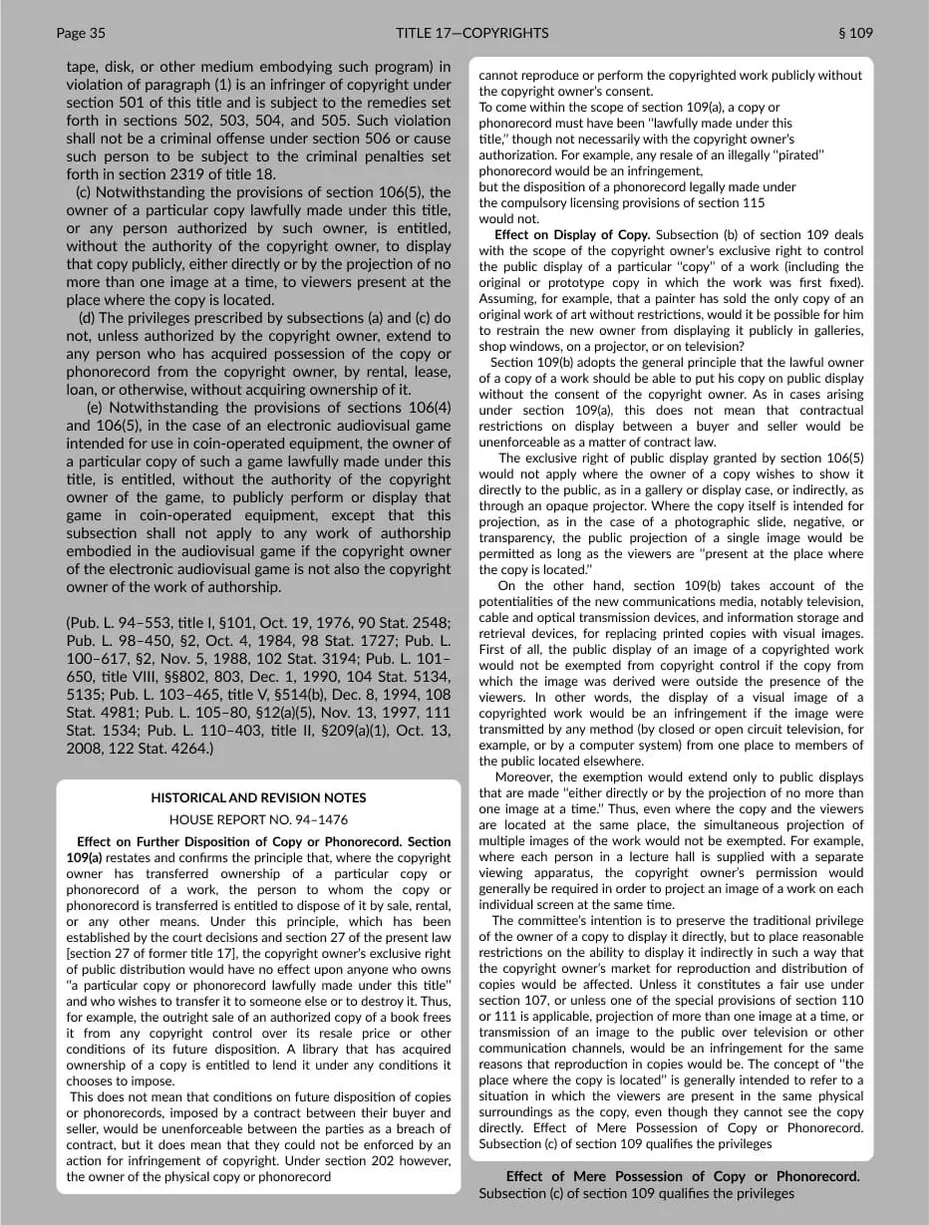
Why Add Concentrated Collections Areas now? For many decades, reading rooms, reference sections, journal areas and special collections areas have been popular places in academic libraries. However, apart from replacing photocopiers in these concentrated collections areas with self-serve scanning systems, they have not kept up with the times. At minimum, modern full-text search and digital display are needed – see Authors Guild v. Google and the copyright law limitation allowing public display.
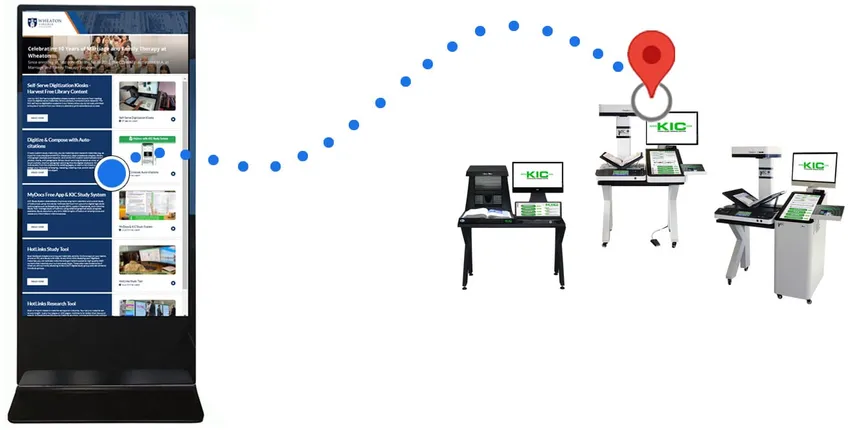
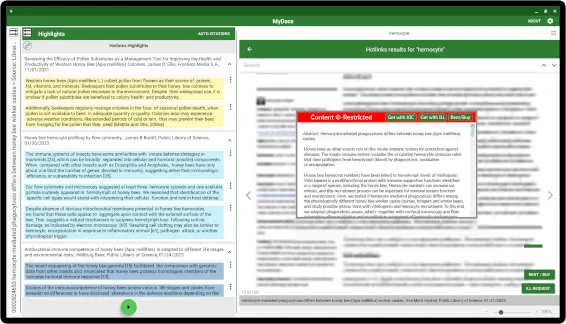
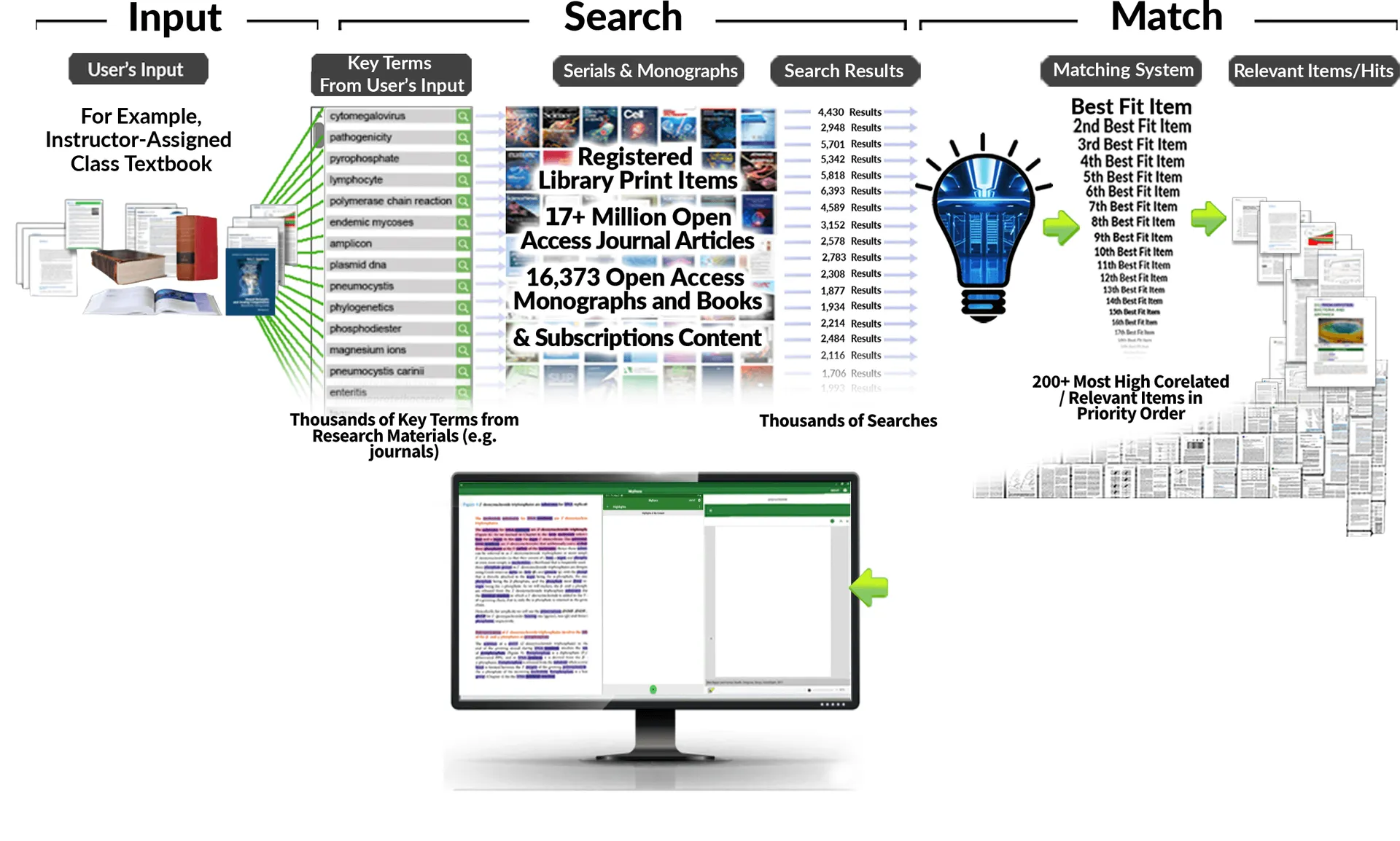
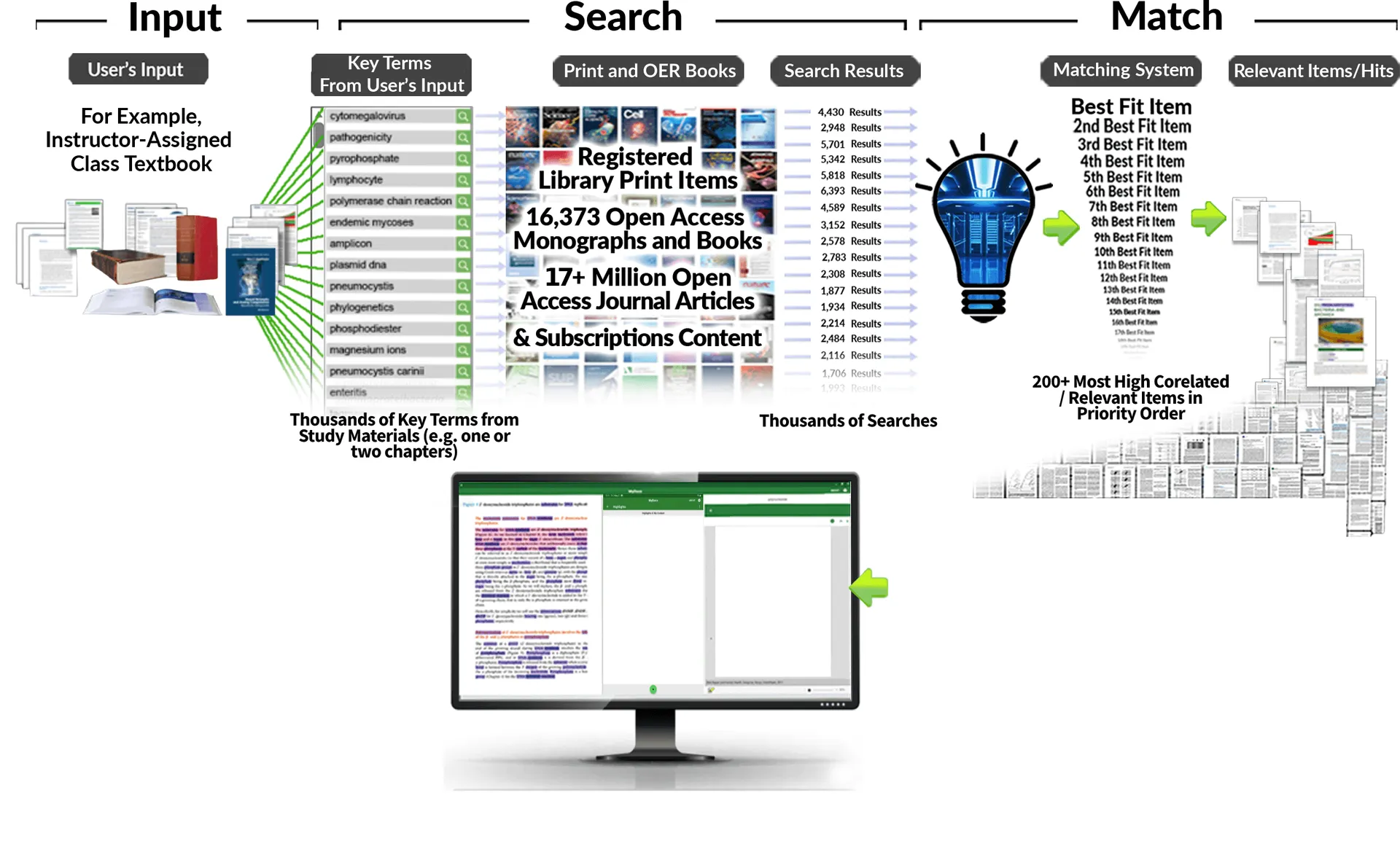
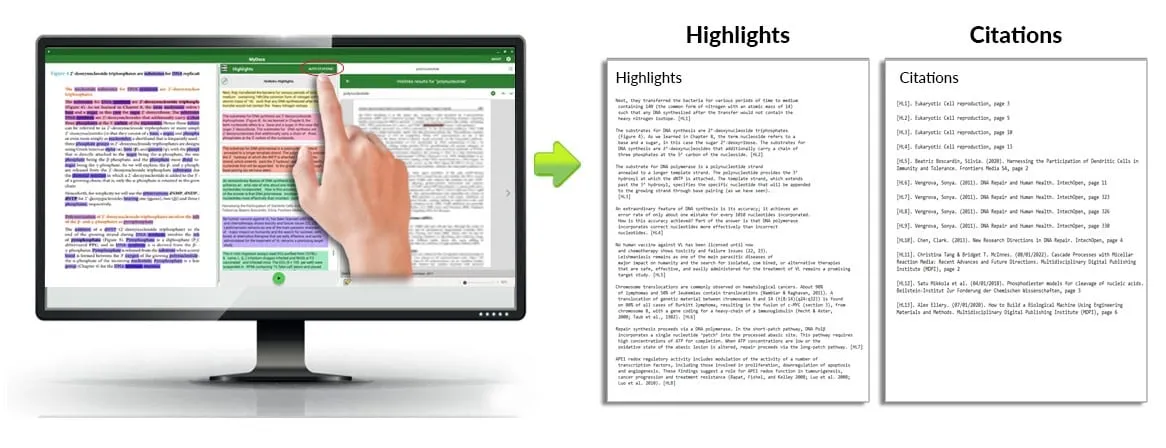
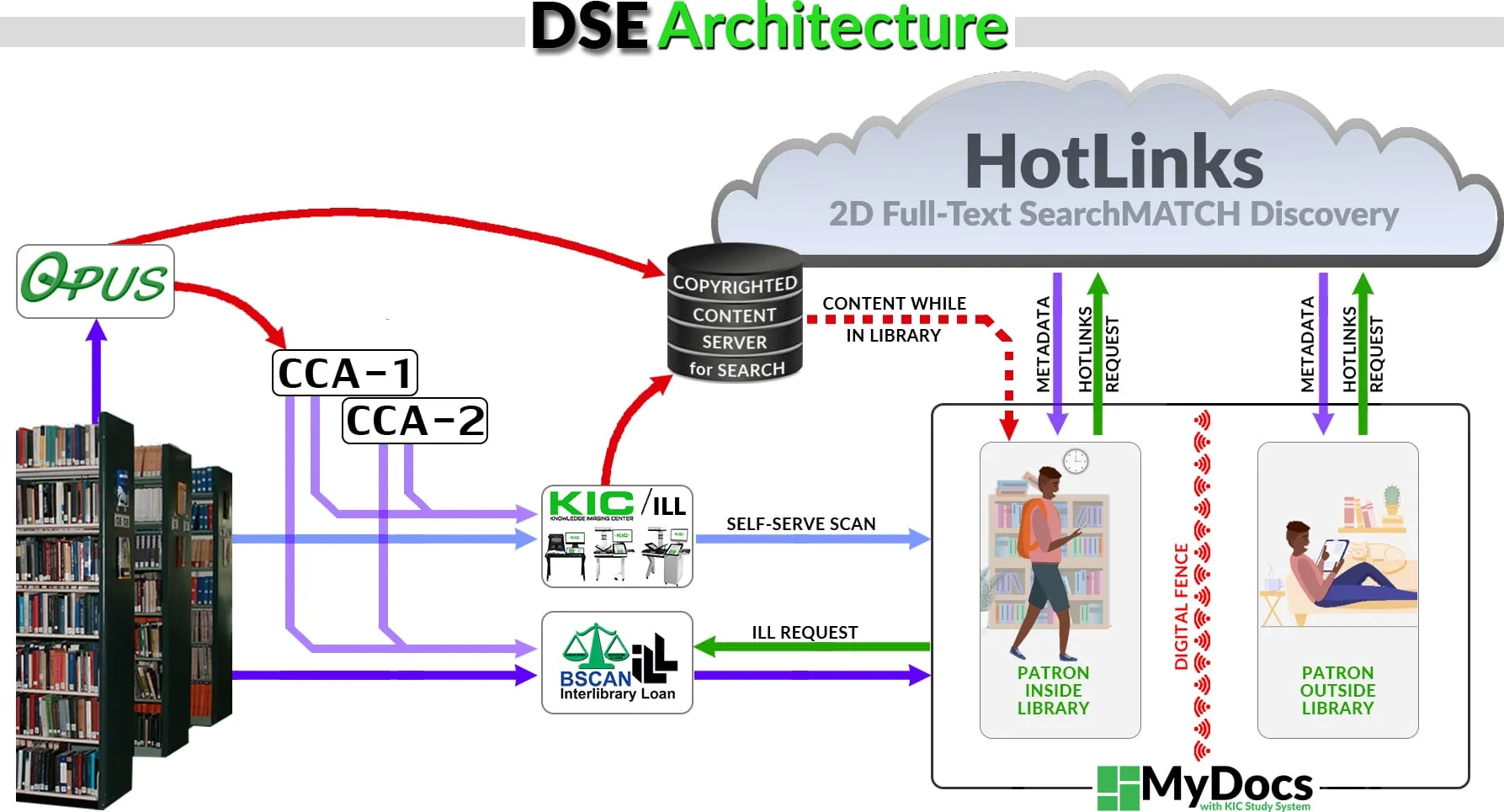
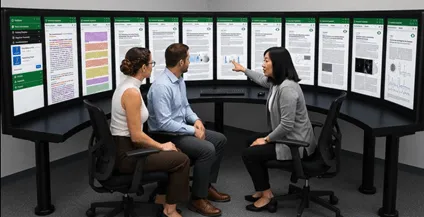
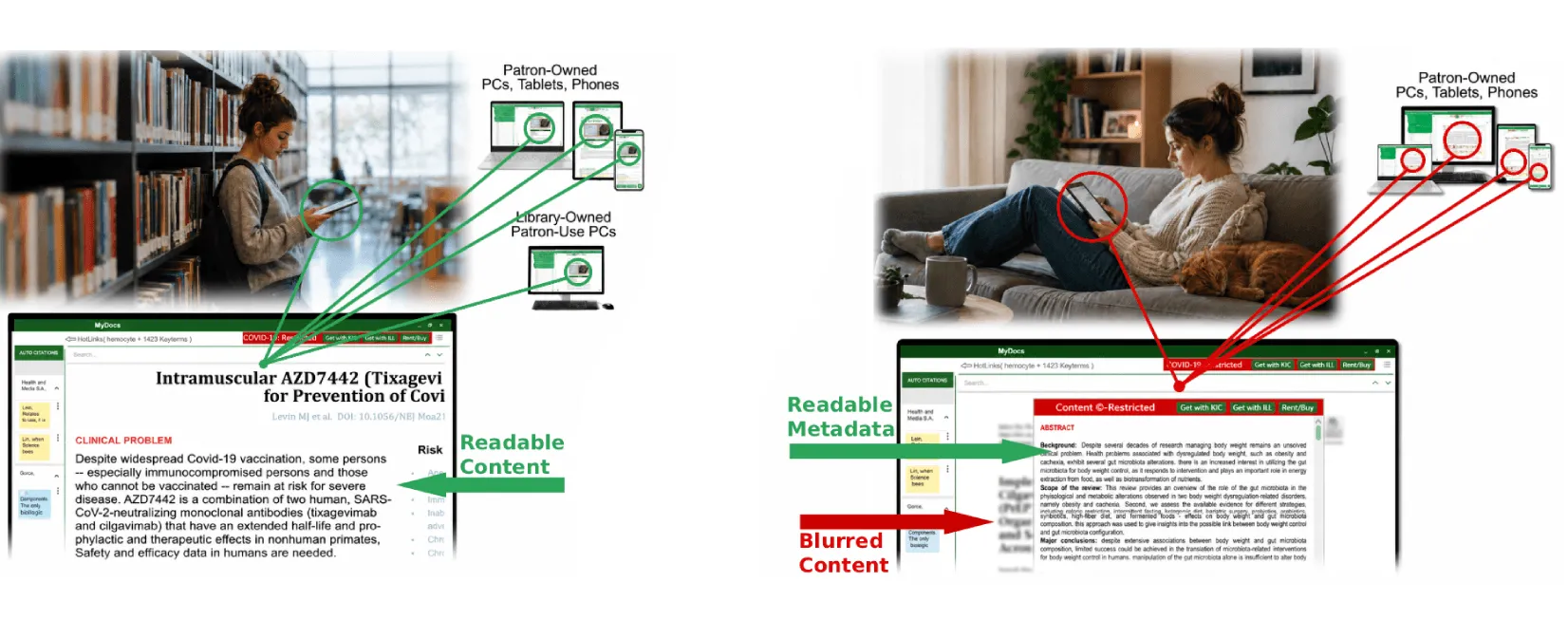
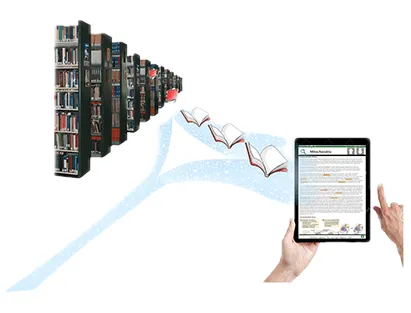
DLSG offers much more than full-text search. Unlike basic full-text search, which takes a few key terms as input, DLSG’s revolutionary HotLinks 2D full-text SearchMATCH discovery system allows students and researchers to input entire textbook chapters. and dozens of pages of personal research and journal articles. Then, in seconds, HotLinks finds the most relevant content in your concentrated collections areas, and while in the library, patrons can see the results – digital display “of no more than one image at a time, to viewers present at the place where the copy is located” complies with copyright law section 109(c).
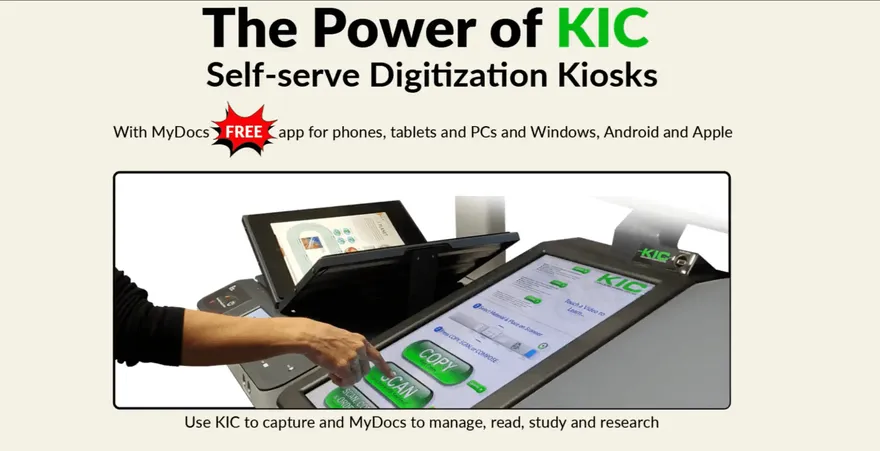
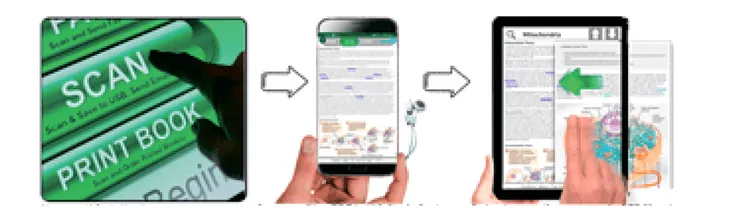
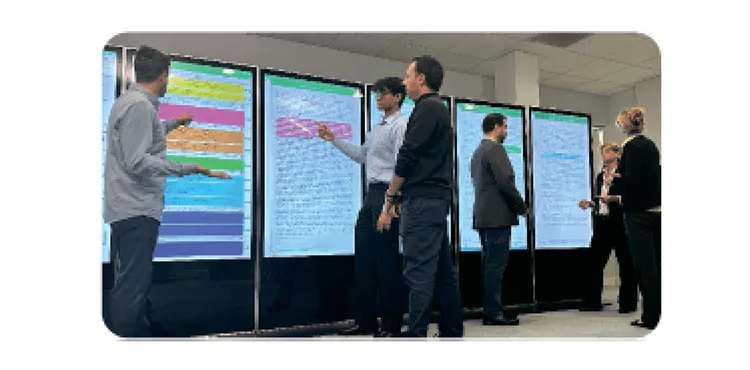
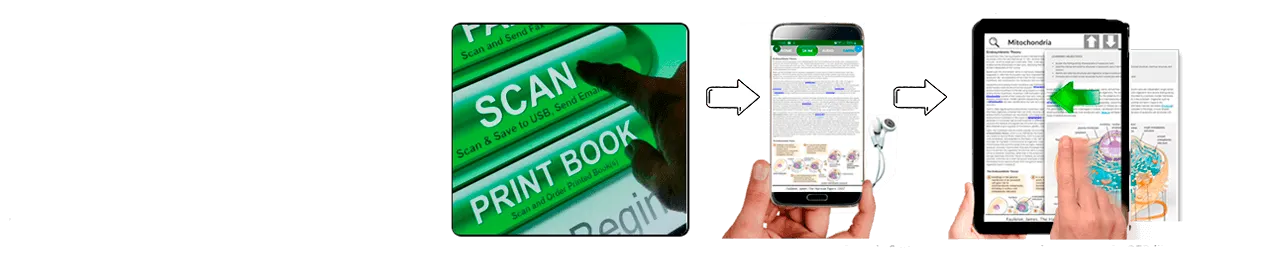
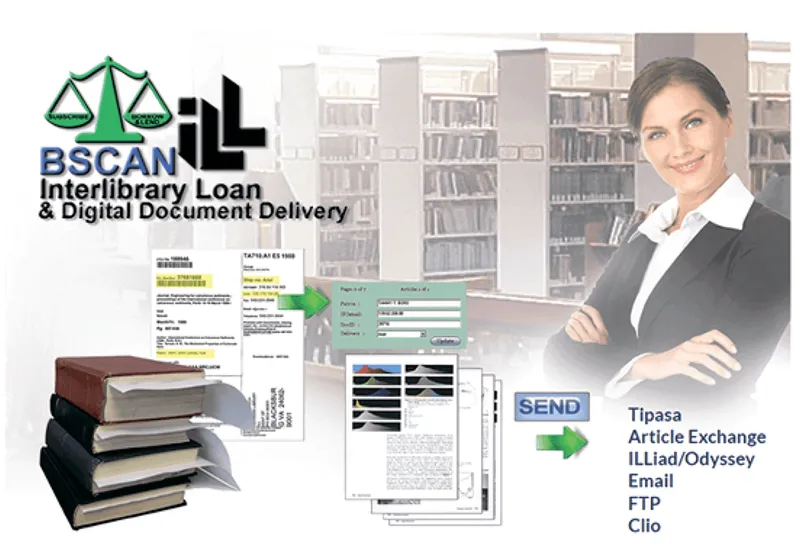
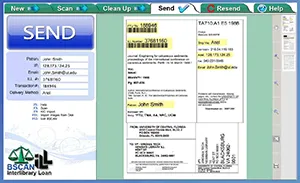
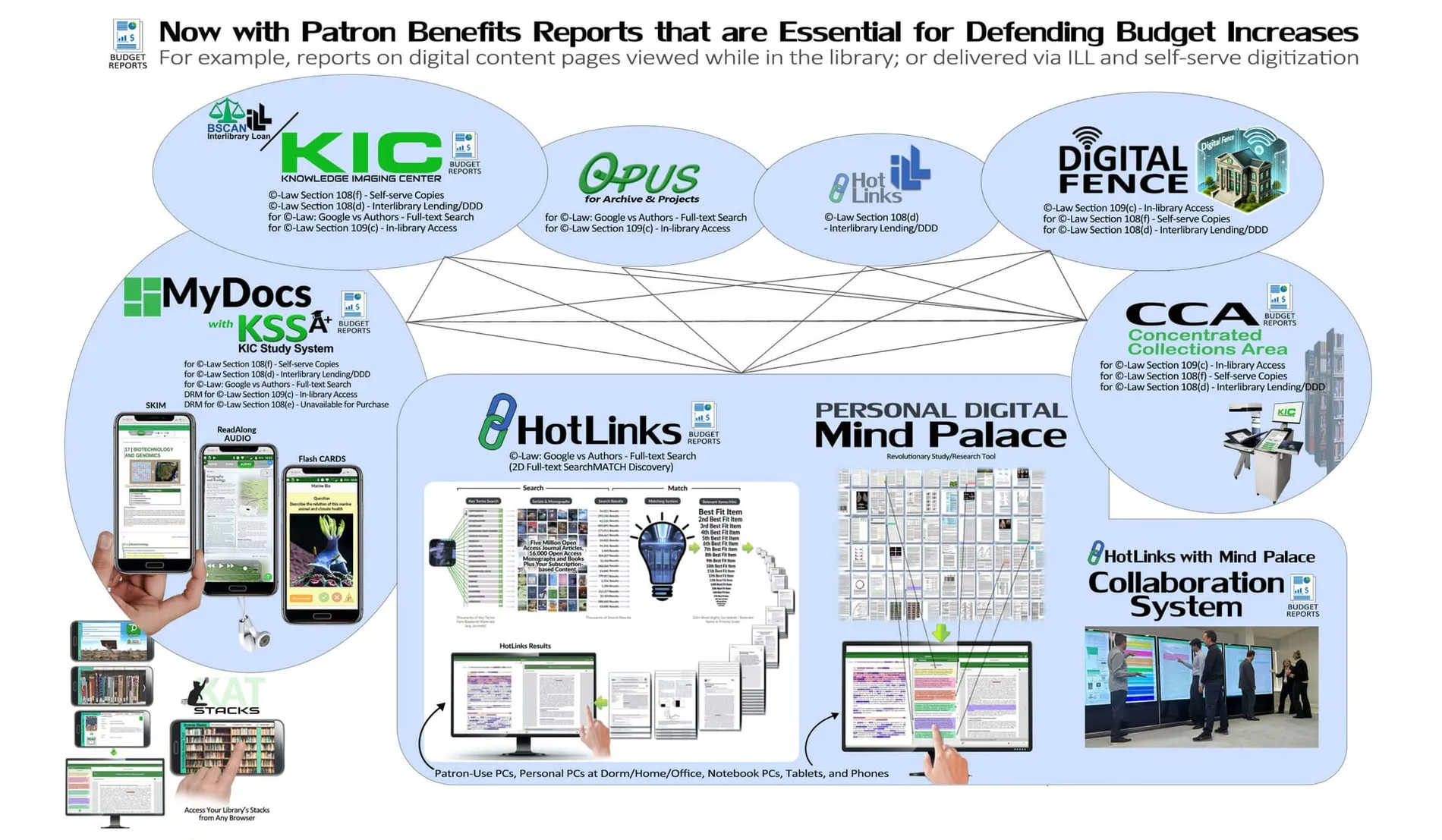
With CCAs, permanent distribution of content can increase dramatically, either via KIC self-serve digitization or via ILL request-fulfillment. While limited to excerpts of books and monographs, and individual articles (in compliance with copyright law section 108), content captured by self-serve or ILL digitization can be kept forever. Together with HotLinks SearchMATCH and viewing while in the library (e.g., inside the iFence), access to print collections content at your library is likely to increase dramatically, which can be thoroughly conveyed to budgeting authorities with extensive usage reports.
At first thought, an increase in ILL request-fulfillment work may appear as a problem, However, the value to patrons receiving the content highly likely to be considered by university budgeting authorities as many times more than the cost to fulfill the increased number of ILL requests.
While increasing the number of ILL requests fulfilled by your library staff can justify significant budget increases, it can be very costly if too many of those requests are for irrelevant content. It is very important to ensure that ILL requests are made with the highest likelihood that the content requested will be useful. While not the case with journal subscriptions, display while in the library ensures that ILL requests are only made for content that has been verified to be relevant.
- 1.For journal articles, most subscriptions do not allow the user to review the content before downloading, which results in many downloads of content that is not useful.
- 2.For monographs and books, online search systems are not legally allowed to display the full text of search results.
Even when users are not in the library, concentrated collections areas provide great added value, especially for monographs and books. Until now, digital ILL of excerpts of monographs and books has not been viable. However, the HotLinks SearchMATCH function takes many pages of the users’ content as input and finds the most relevant individual chapters, Even when outside the library and therefore unable to read the full text, authorized patrons can make ILL requests for specific chapters and library staff can fulfill those requests with confidence that the content will be relevant.
CCAs can provide double-digit increases in resource utilization and justify significant budget increases. Placing into turnkey CCAs nearly all items that are likely to be accessed at least once in a year can yield multiple times its cost in budget increases, provided the CCAs include HotLinks, Mind Palace and iFence with integrated ILL request-fulfillment, self-serve digitization. Modern, ultrafast book scanners can further improve return on investment.
These state-of-the-art concentrated collections areas add an intriguing new dimension and compelling new reasons to visit the library as well as remotely accessing library resources. Its benefits include:
- Highly productive browsing – the content that is most relevant to your patrons is concentrated into a small space=
- A revolutionary search-match facility that takes many pages as input and locates the most relevant excerpts within monographs
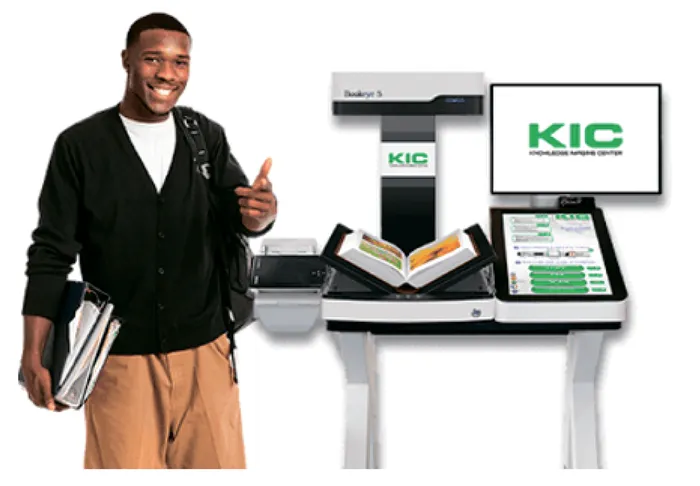
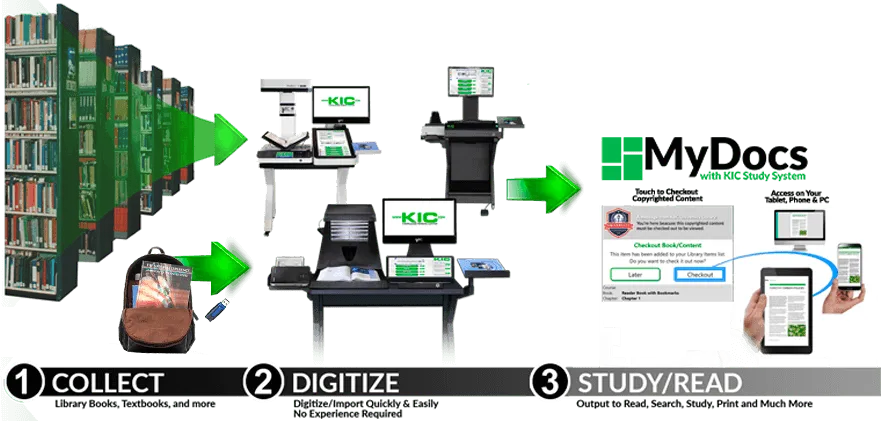
- Rapid self-serve harvesting – most popular books are a few steps away from fast book scanners
- Cost-effective ILL for monograph excerpts – library staff can fill up to 10 requests for CCA content in an hour
- Eventual full-text search and search-match for your entire print collections – as other libraries create their concentrated collections areas with books that are in your main collections
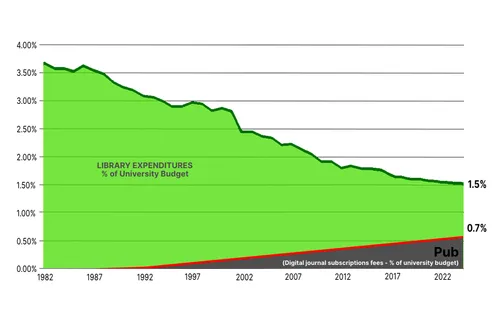
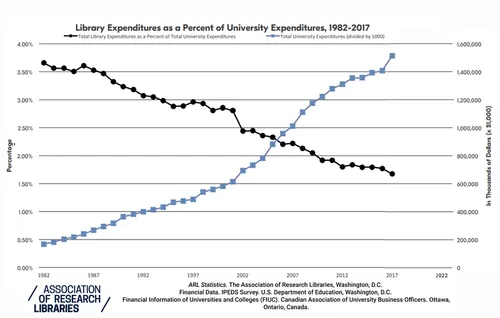
For the library, the lower reshelving costs over the years can finance a significant amount of the costs of creating and maintaining concentrated collections areas. In addition, DLSG is working on a system that can further reduce costs. This system will instantly identify the absence of any book from CCA shelves, allowing libraries to rely on patrons to return books to the shelves for a further cost reduction.
Unlike traditional Special Collections areas, whose books are usually selected by topic, age or rarity, these new concentrated collections areas can be comprised of professors reading lists, researchers’ relevant books and books that have been checked out more than once in recent years. In addition to making it substantially faster and easier for patron’s to find a book and scan an excerpt (see: “Library Superpowers”), it substantially reduces the time to return the book to the shelf.
Creating a Superior Concentrated Collections Area
The first step in creating a superior concentrated collections area is compiling a list of frequently accessed monographs and books. If your intent is to create one large concentrated collections area (e.g. near a high traffic area of the main library), then it is likely that you will want to combine professors’ recommended reading lists with researchers’ relevant monographs lists and books that have been checked out more than once in the past few years.
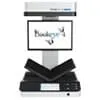
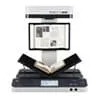
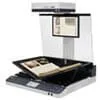
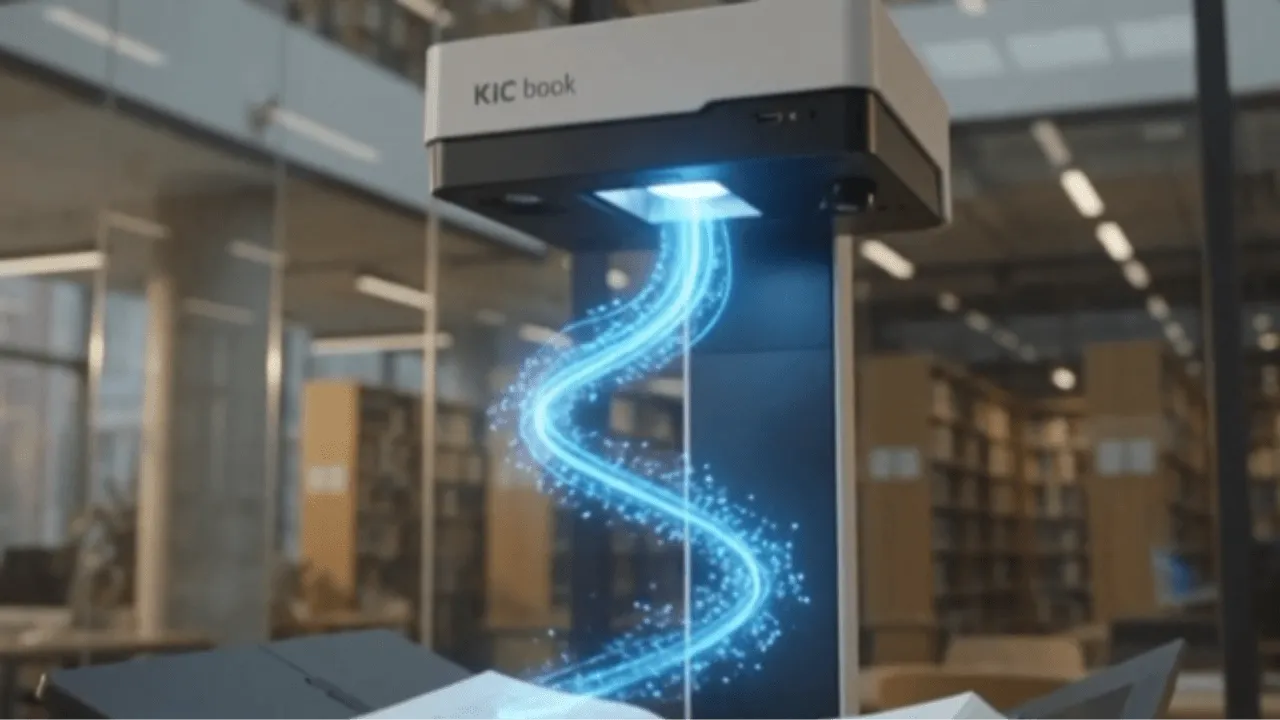
The second step is allocating the space, moving the necessary number of bookshelves and at least one KIC digitization system into that space, then arranging for DLSG to setup the KIC system for ingesting books into a CCA. Once this has been done, you are ready to start ingesting books into the area.
The steps to ingesting books into a concentrated collections area:
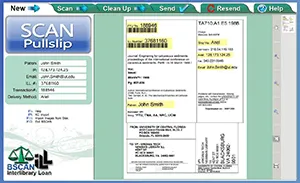
- 3.Using DLSG’s CCA ingestion workflow, print a stack of ‘pull sheets’ (not unlike ILL pull sheets), three or four sheets per work hour
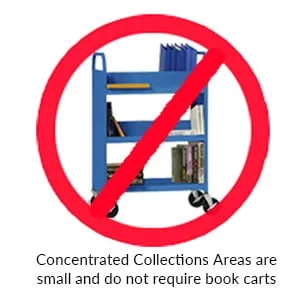
- 4.Gather each book, insert its pull sheet between any two pages, place it on a wheeled book cart and when finished, proceed to the KIC station in the concentrated collections area
- 5.Insert a CCA key into the KIC’s USB port
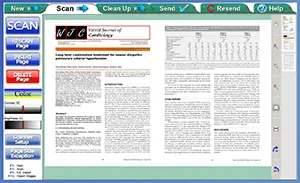
- 6.Scan a pull sheet, then scan the book, selecting section and chapter bookmarks while scanning. If you are using a KIC Bookeye 5, it should take a little over ten minutes to digitize an entire 300 page book at 300dpi (high image quality)
- 7.Press the CCA Export button to post the search-match metadata to the HotLinks system
- 8.Place the book on a CCA shelf.
- 9.Repeat steps 4, 5 and 6 until finished scanning all books on the cart.
- 10.Repeat steps 1 through 7 until all books have been ingested.
At any time after the first books have been ingested, you can try out DLSG’s HotLinks Search-Match function.


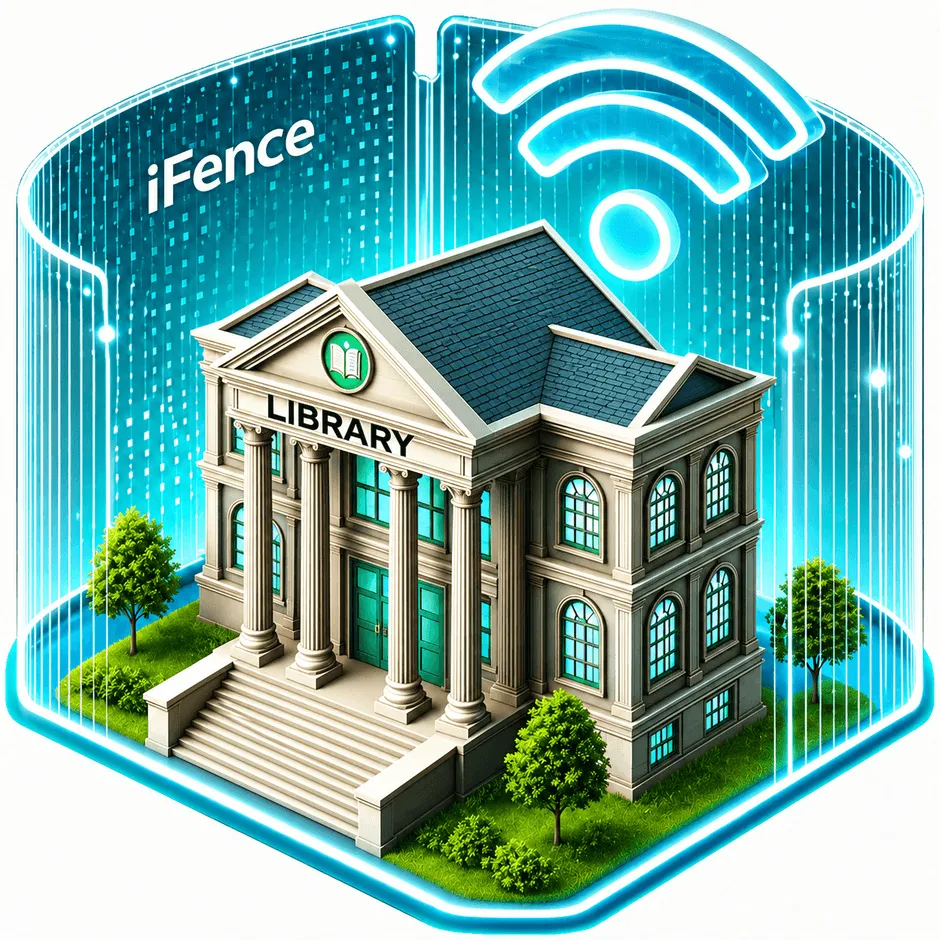
 While in the Library, All Copyrighted
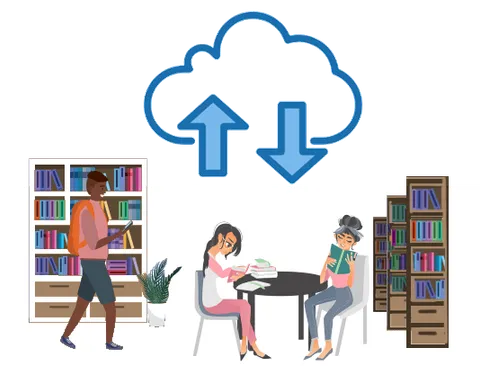
 When Outside the Library, Copyright-controlled
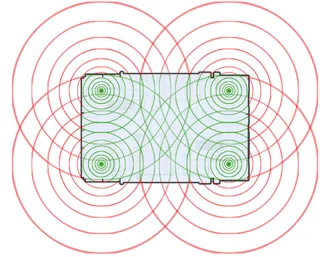
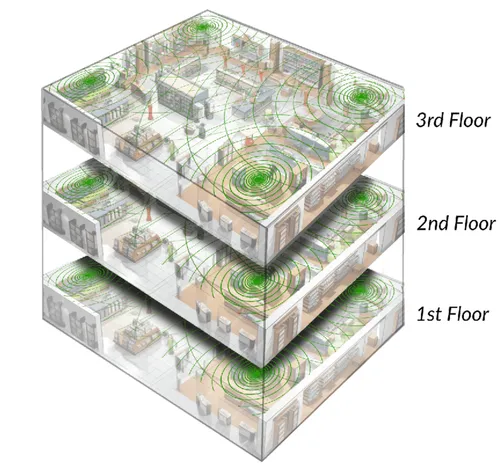

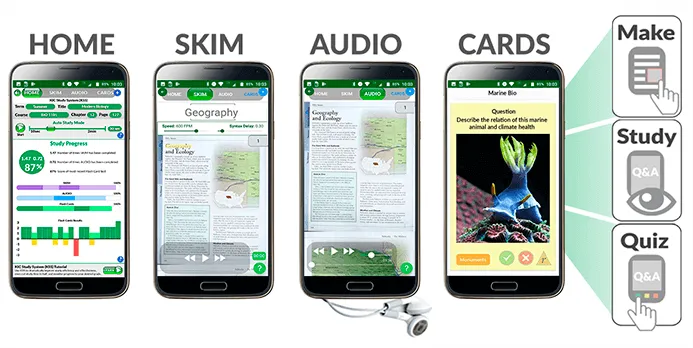
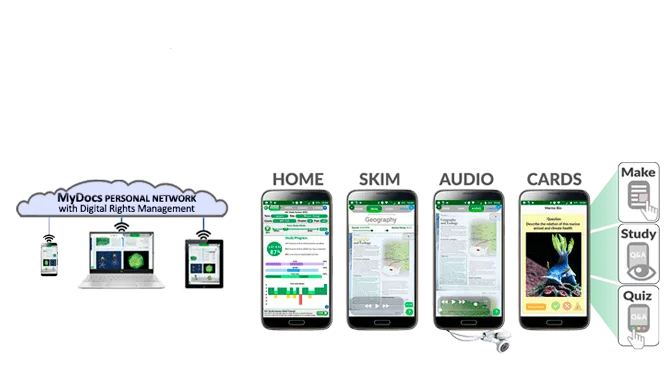
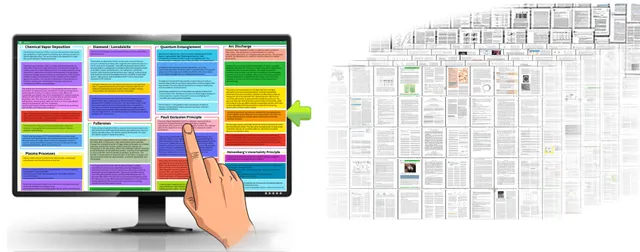 Your students enjoy Instagram® speed chapter-to-chapter and book-to-book study and review.
 Your students can easily use KIC systems to make PDFs of iReserves content they want to study outside the library, and any HotLinks are automatically linked to the KIC-made PDFs. In addition, students can keep the KIC-made PDFs forever ().